JAVA NIO 模型

大家都在说同步IO、异步IO、阻塞IO、非阻塞IO,本人对其中的有些知识也是有些模糊,借此机会决定研究一下。
本文旨在澄清、说明和探讨 JAVA I/O的几点基本概念和知识,以及各种IO模型的优缺点,欢迎讨论。

JAVA NIO 模型


在探讨JAVA I/O模型之前,我们先来说一下Linux上的几种I/O模型及其区别。


Linux 网络 I/O 模型

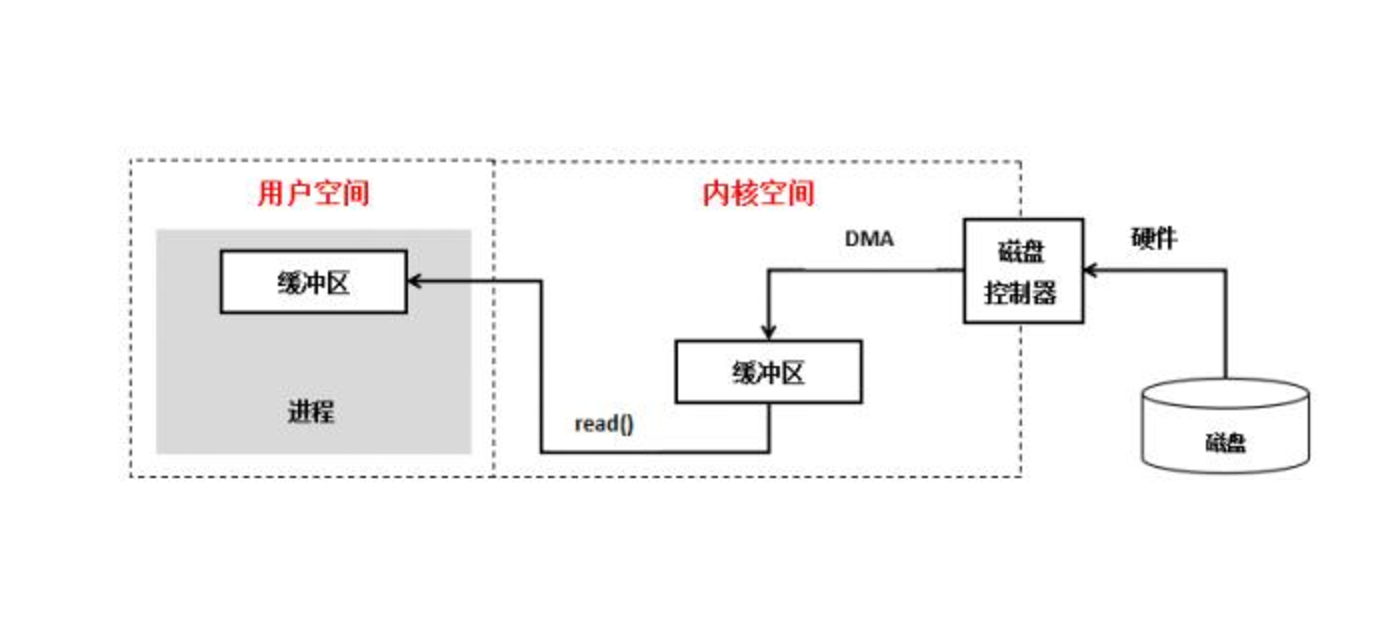
首先,对一个IO的访问,数据首先会被拷贝到操作系统内核的缓冲区中,然后才会从操作系统内核的缓冲区拷贝到应用进程的缓冲区。因此一个IO操作会经历两个阶段(如图):

  • 等待数据准备(将数据拷贝到内核缓冲区)
  • 将数据从内核拷贝到应用进程缓冲区

Alt text

附:
1、 用户空间和内核空间
2、文件文件描述符 : Linux对文件的读写会返回一个file descripeor(fd,文件描述符); 对一个socket的读写也会返回相应的描述符:socketfdsocket描述符)。
这些描述符就是一个数字,它指向内核为每一个进程所维护的该进程打开文件的记录表。


接下来看看UnixI/O模型,Unix提供5中I/O模型有以下几种。


阻塞I/O模型

阻塞I/O模型是最常用的I/O模型, 在这个模型中,应用进程执行一个系统调用(recvfrom),其系统调用会一直阻塞,直到 数据包到达且被复制到应用进程的缓冲区或者发成错误才返回(解除阻塞)。 阻塞I/O模型的特点就是 进程从执行系统调用开始到返回的整个时间内都是被阻塞的,应用程序会一直等待直到收到系统响应(数据传输完成或发生错误)。

如下图所示:
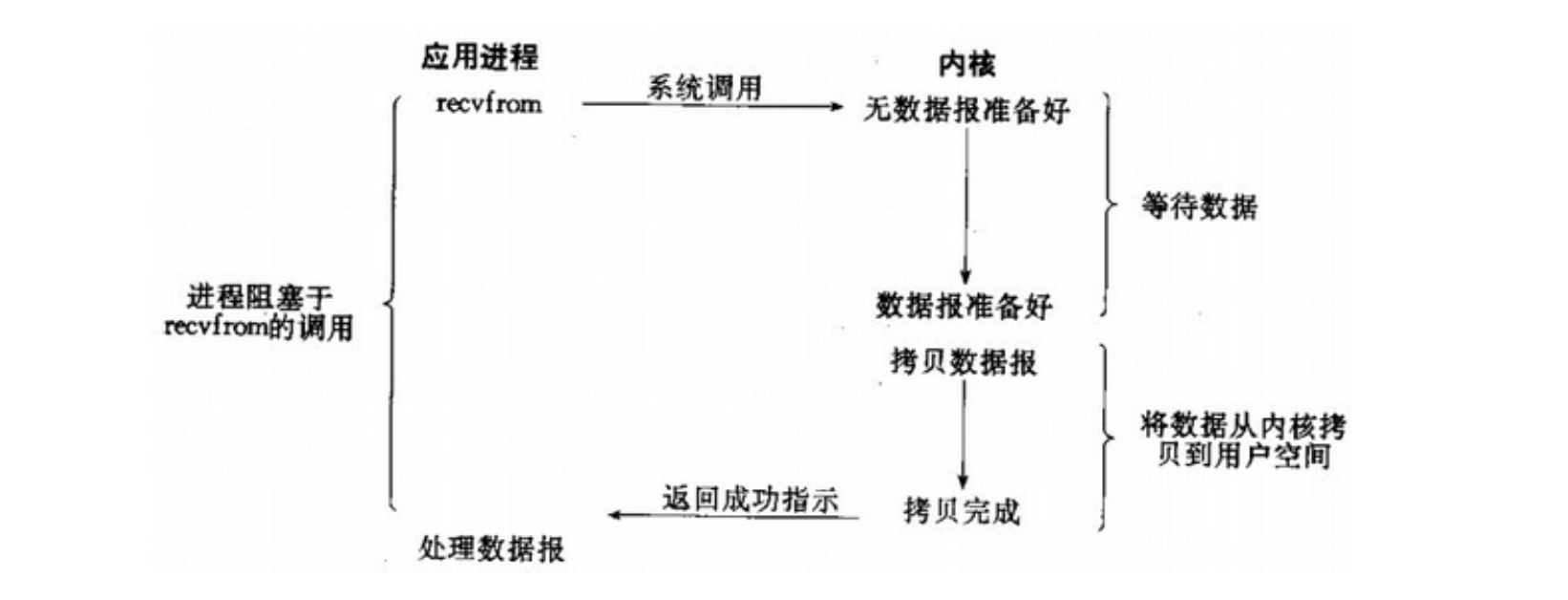
Alt text

阻塞I/O模型在IO执行的两个阶段都是阻塞的。

使用阻塞I/O模式开发简单,适合用于实现对少量文件描述符进行IO操作、或者需要及时返回数据的应用;

但是同时对大量文件描述符进行IO操作时,可以利用多线程技术进行处理,但是会造成大量的线程开销,增加系统的维护工作量,扩展性能很差。


非阻塞I/O模型

这种模型其实是阻塞I/O模型的一个变种。

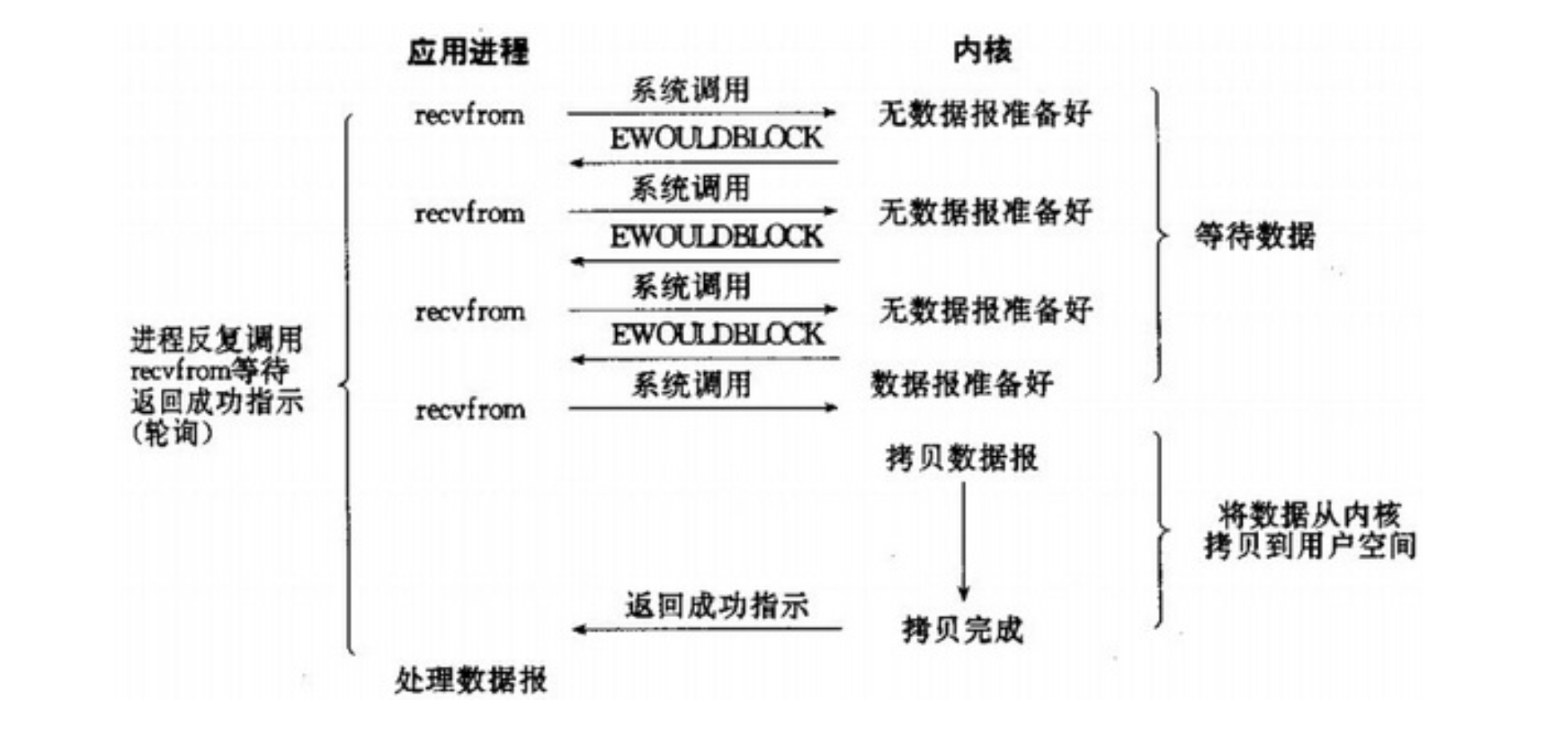
recvfrom从用户空间的应用层到内核的时候,如果缓冲区没有数据的话,就直接返回一个EWOULDDBLOCK 错误,也就是说非阻塞的recvfrom系统调用之后,进程并没有被阻塞,内核马上返回给进程(EAGAIN/EWOULDDBLOCK)。

一般都是对非阻塞I/O模型进行轮询检查这个状态,看内核是不是有数据到来。很显然,这样效率明显不高,因为应用程序需要进行忙碌等待,不断的轮训执行系统调用,上下文切换,CPU一直用在无谓的轮询上,消耗大量的CPU时间,最终降低整体数据吞吐量。需要注意的是:在数据拷贝过程中,进程仍然属于阻塞状态。

如下图所示:
Alt text


I/O 复用模型

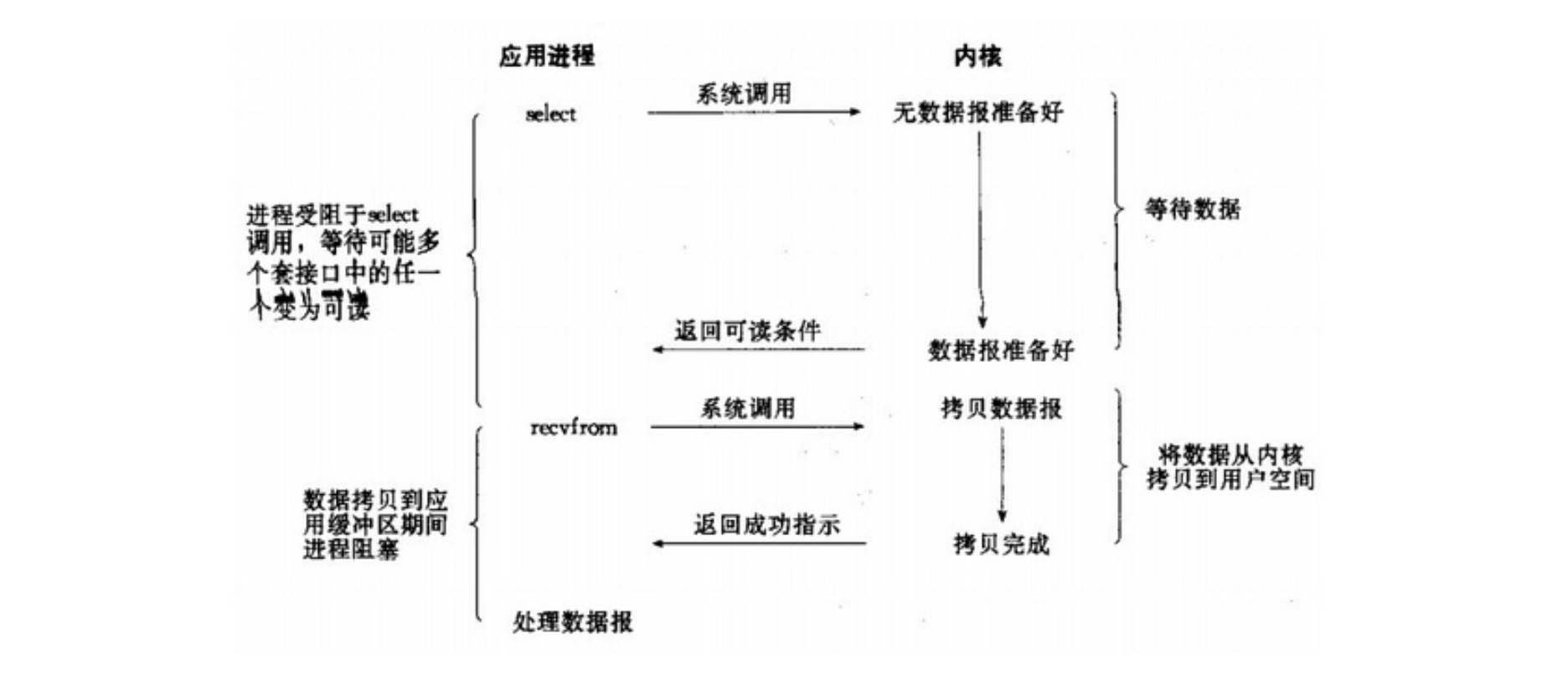
IO复用模型 有几个特殊的系统调用(selectpollepoll)函数。其基本原理就是,进程通过将一个或多个 fd/socketfd 传递给系统调用函数(selectpollepoll),阻塞在select 操作上,这样 select/poll 可以帮助我们侦测多个 fd/socketfd 是否处于就绪状态。当其中有一个数据准备就绪,就能返回通知用户进程可读,然后进程再调用 recvfrom 系统调用,将数据由内核拷贝到用户进程,注意这个过程 是 阻塞的。

与阻塞IO的区别是,此时的select 不是等到 socket数据全部到达再处理,而是只要有数据到达就会通知用户进程,然后用户进程来处理。

如下图所示。
Alt text

select/poll 是顺序扫描 fd/socketfd 是否就绪,而且支持的 fd/socketfd 数量有限,因此它的使用受到一些限制。epoll 是基于事件驱动方式代替顺序扫描,性能更高,当fd/socketfd就绪时,立即返回函数rollback

简单明了的说就是 相当于应用程序不用再轮训等待数据是否就绪,而是交给 selectpollepoll , 在某个数据就绪时通知用户进程去操作。只不过 selectpoll是顺序扫描fdepoll是基于事件驱动,效率更高。

I/O 多路复用技术通过把多个I/O的阻塞服用到同一个select的阻塞上,从而使得系统在单线程的情况下可以同时处理多个客户端请求。与传统的多线程多进程模型对比,I/O多路复用模型的的最大优势是系统开销小,不需要创建和维护新的额外进程或线程,降低里系统的维护工作量,节省了系统资源。


信号驱动I/O模型

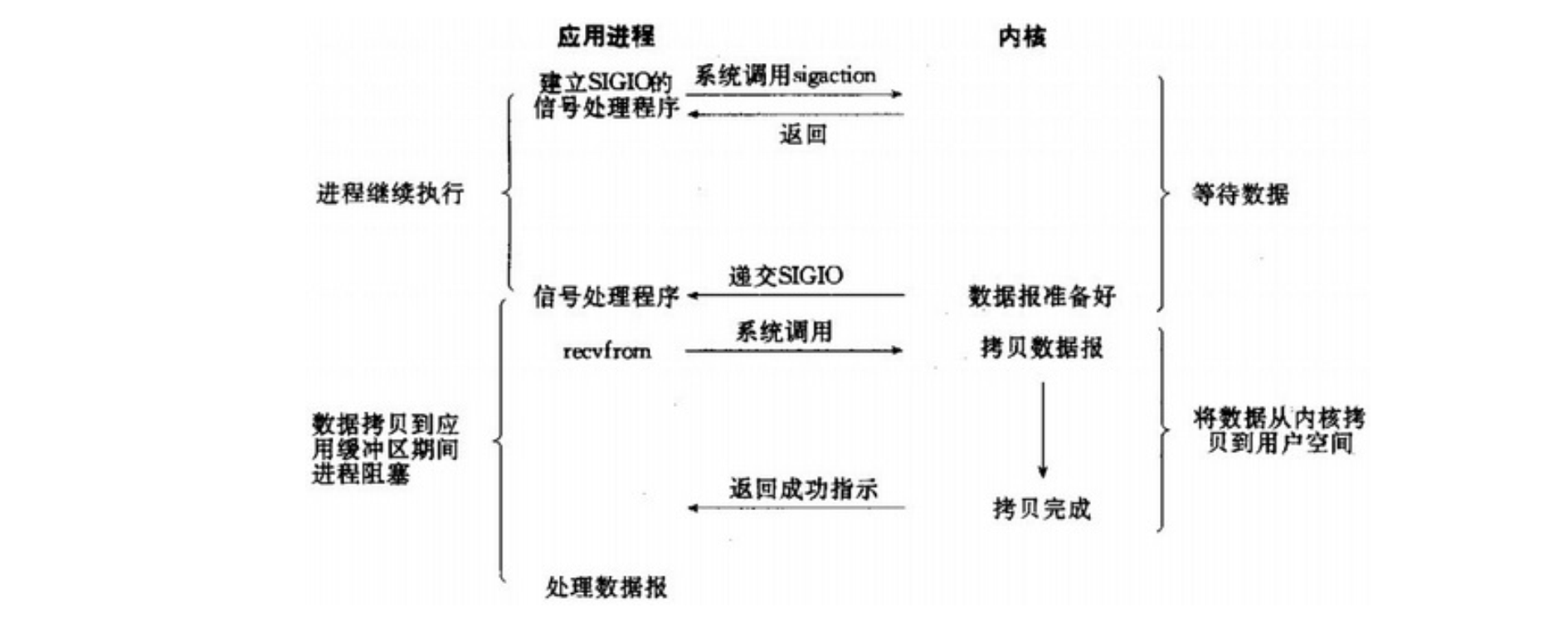
首先开启套接口信号驱动I/O功能,并且通过系统调用sigaction执行一个信号处理函数(此系统调用立即返回,进程继续工作,它是非阻塞的)。当有数据准备就绪时,就为该进程生成一个SIGIO信号,通过信号回调通知应用程序调用recvfrom来读取数据,并通知应用程序处理数据。

如下图所示:
Alt text


异步 I/O

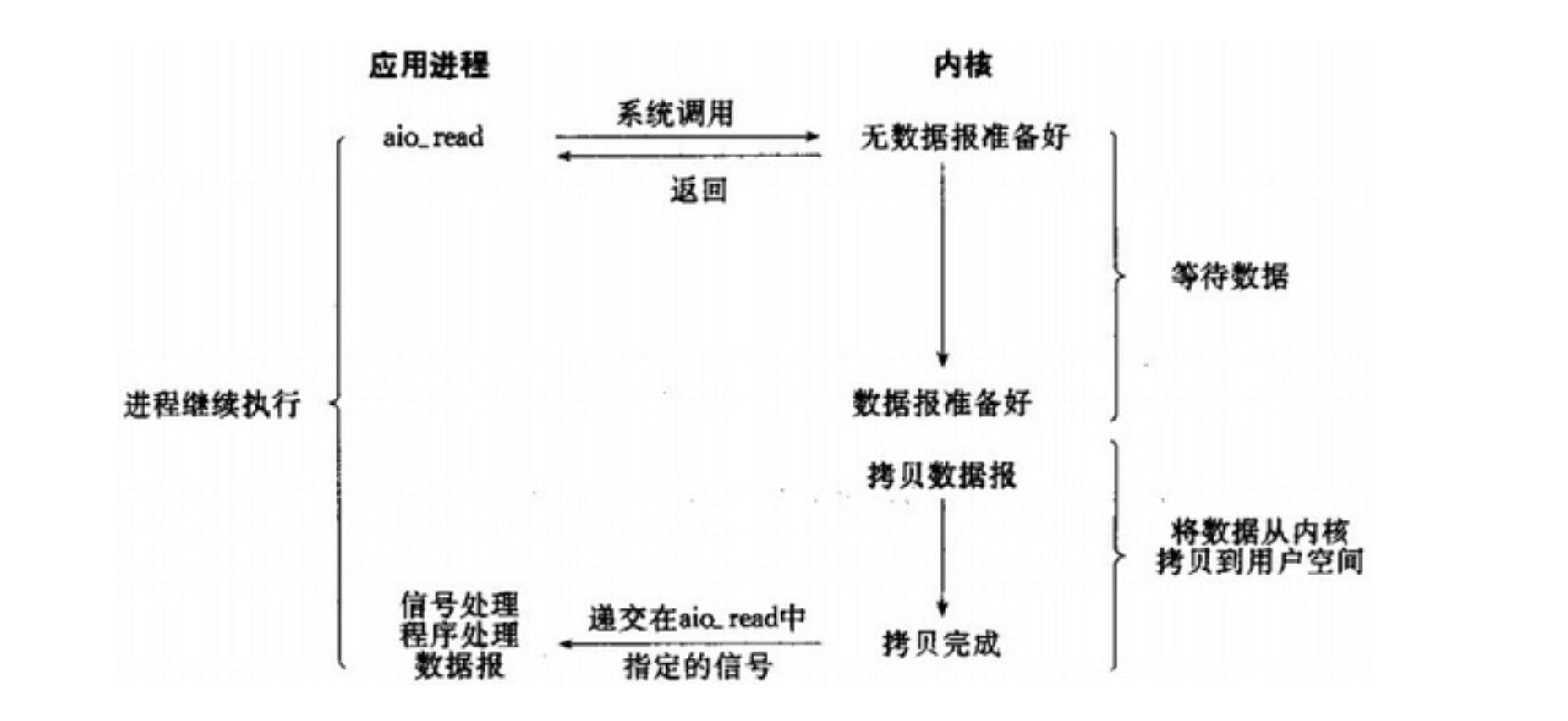
应用进程发起aio_read操作后,会立刻返回,并让内核在整个操作完成后(包括将数据从内核空间复制到用户空间)通知用户进程,告知用户进程操作已完成。

这种模式与信号驱动模式的区别是:信号驱动I/O 由内核通知用户进程何时可以开始一个I/O操作;异步I/O 模型由内核通知用户进程 I/O操作已经完成。

如下图所示:

Alt text

这大概就是异步非阻塞IO的原型。


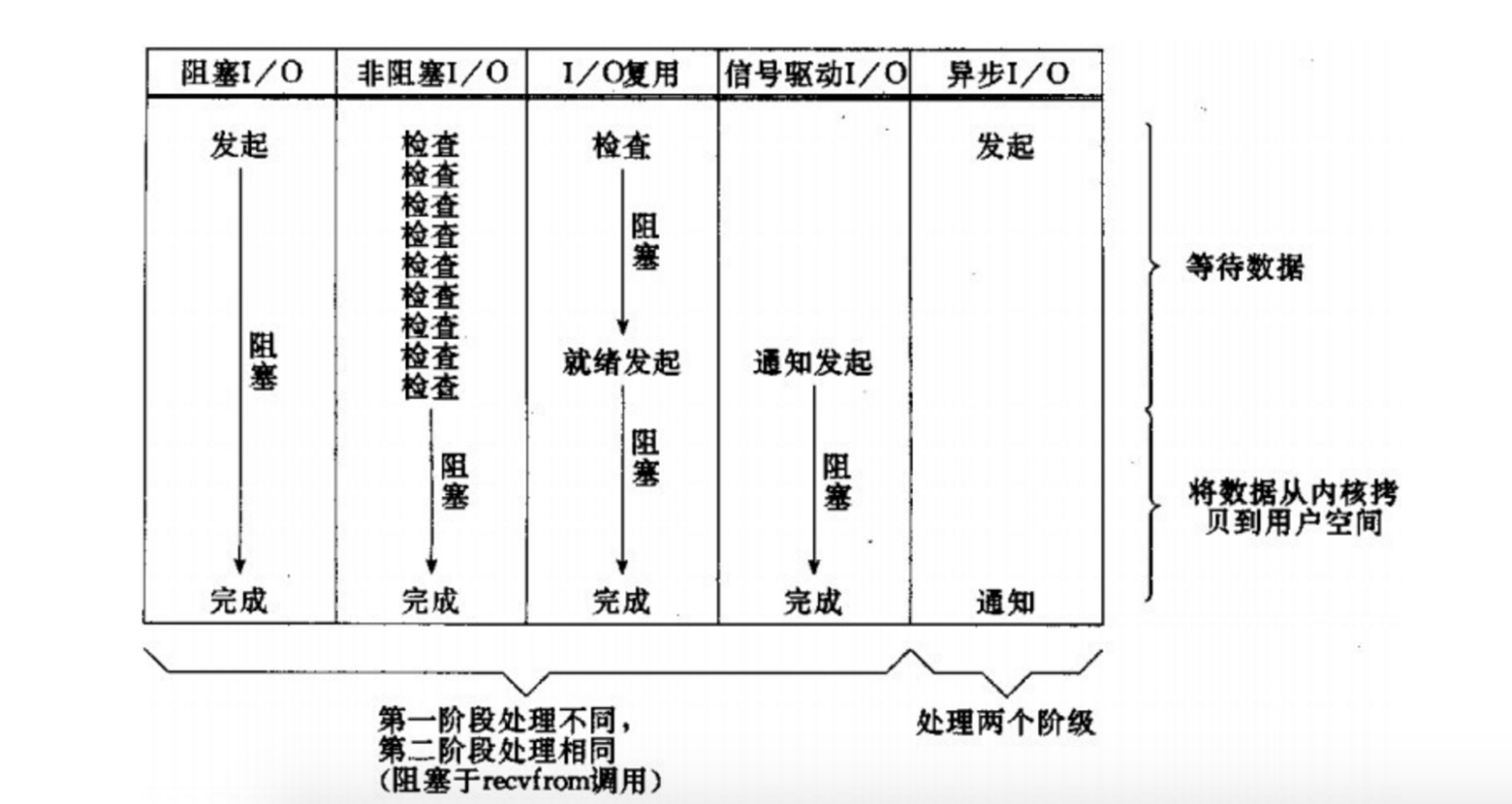
五中IO模型对比:

阻塞I/O:进程一直阻塞,直到数据拷贝完成
非阻塞I/O : 通过进程反复轮询(多次系统调用,并马上返回);在数据拷贝的过程中,进程是阻塞的;
I/O多路复用:主要是selectpollepoll;对一个I/O端口,两次调用,两次返回,比阻塞I/O并没有什么优越性;关键是能实现同时对多个I/O端口进行监听;
信号驱动I/O:两次调用,两次返回;第一次调用立即返回,该过程非阻塞的。数据准备就绪后通知用户进程调用系统函数(recvfrom)来读取数据,期间进程是阻塞的;
异步I/O:数据拷贝的时候进程无需阻塞。数据的拷贝由内核完成后通知用户进程。

其中前四I/O模型都属于同步I/O模型范畴,只有第五种属于 异步I/O模型

Alt text


JAVA NIO

JDK1.4推出之前,基于java的Socket通信都是采用 BIO模型(模型1.1), JDK1.4 NIO的出现才开始支持I/O多路复用模型(模型1.3),直到JDK7 才开始提供异步非阻塞模型(模型1.5)的支持。 

BIO

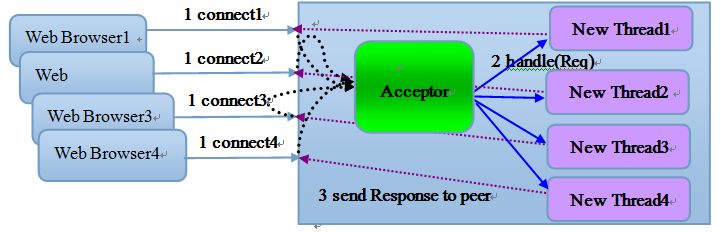
采用BIO通信模型的服务端,通常由一个独立的Acceptor线程负责监听客户端的连接,它接收到客户端连接之后为每个客户端创建一个新的线程进行链路处理,处理完成之后,通过输出流返回应答给客户端,线程销毁。这就是典型 请求一应答 通信模型。通信模型如下:
Alt text

该模型的开发示例如下:

BioTimeServer.java

1
2
3
4
5
6
7
8
9
10
11
12
13
14
15
16
17
18
19
20
21
22
23
24
25
26
27
28
29
30
31
package bio;
import java.io.IOException;
import java.net.ServerSocket;
import java.net.Socket;
/**
* Created by Mr岳 on 16/10/30.
*/
public class BioTimeServer {
public static void main(String[] args) throws IOException {
int port = 8080;
ServerSocket server = null;
try {
server = new ServerSocket(port);
System.out.println("The time server is start in port : " + port);
Socket socket = null;
while (true) {
// 监听客户端连接,如果没有客户端接入,accept()方法将阻塞;如果监听到客户端链路接入,则创建一个新的线程处理
socket = server.accept();
new Thread(new BioTimeServerHandler(socket)).start();
}
} catch (IOException e) {
e.printStackTrace();
} finally {
if (server != null) {
System.out.println("The Time server done");
server.close();
server = null;
}
}
}
}

BioTimeServerHandler.java

1
2
3
4
5
6
7
8
9
10
11
12
13
14
15
16
17
18
19
20
21
22
23
24
25
26
27
28
29
30
31
32
33
34
package bio;
import java.io.BufferedReader;
import java.io.IOException;
import java.io.InputStreamReader;
import java.io.PrintWriter;
import java.net.Socket;
/**
* Created by Mr岳 on 16/10/30.
*/
public class BioTimeServerHandler implements Runnable {
private Socket socket;
public BioTimeServerHandler(Socket socket) {
this.socket = socket;
}
public void run() {
BufferedReader in = null;
PrintWriter out = null;
try {
in = new BufferedReader(new InputStreamReader(this.socket.getInputStream()));
out = new PrintWriter(this.socket.getOutputStream(), true);//接收客户端消息
String currentTime = null;
String body = null;
while (true) {
body = in.readLine();
if (body == null)break;
System.out.println("The time server receive order : " + body);
currentTime = "QUERY TIME ORDER".equalsIgnoreCase(body) ? new java.util.Date(System.currentTimeMillis()).toString() : "BAD ORDER";
out.println(currentTime);// 发送消息给客户端
}
} catch (Exception e) {
//关闭IO,socket
}
}
}

BioTimeClient.java

1
2
3
4
5
6
7
8
9
10
11
12
13
14
15
16
17
18
19
20
21
22
23
24
25
26
27
28
29
30
package bio;
import java.io.BufferedReader;
import java.io.IOException;
import java.io.InputStreamReader;
import java.io.PrintWriter;
import java.net.Socket;
/**
* Created by Mr岳 on 16/10/30.
*/
public class BioTimeClient {
public static void main(String[] args) {
int port = 8080;
Socket socket = null;
BufferedReader in = null;
PrintWriter out = null;
try {
socket = new Socket("127.0.0.1", port);
in = new BufferedReader(new InputStreamReader(socket.getInputStream()));
out = new PrintWriter(socket.getOutputStream(), true);
out.println("QUERY TIME ORDER");//发送消息给服务端
System.out.println("Send order 2 server succeed.");
String resp = in.readLine();
System.out.println("Now is : " + resp);
} catch (Exception e) {
e.printStackTrace();
} finally {
//关闭IO,socket
}
}
}

运行 BioTimeServerBioTimeClient 后,你会发现 服务端BioTimeServer 在调用ServerSocket.accept()方法时,会一直阻塞,直到有客户端连接才会返回,每个客户端连接过来后,服务端都会启动一个线程去处理该客户端的请求。同样,客户端 BioTimeClient在调用 InputStream.read()方法时 也是一直阻塞的,直到数据到来时(或超时)才会返回。

该模型最大的问题就是每当有一个客户端请求接入时,服务端必须创建一个新的线程处理新接入的客户端链路,一个线程只能处理一个客户端连接。在高性能服务器应用领域,往往需要面向成千上万个客户端的并发链接,随着并发访问量的继续增大,系统将会发生线程堆栈溢出,创建新线程失败等问题,最终导致进程宕机或僵死,不能对外提供服务,这种模型显然无法满足高性能、高并发接入的应用场景。

不管是磁盘 I/O 还是网络 I/O,数据在写入 OutputStream 或者从 InputStream 读取时都有可能会阻塞。一旦有线程阻塞将会失去 CPU 的使用权,这在当前的大规模访问量和有性能要求情况下是不能接受的。虽然当前的网络 I/O 有一些解决办法,如一个客户端一个处理线程,出现阻塞时只是一个线程阻塞而不会影响其它线程工作。再比如: 为了减少系统线程的开销,采用线程池的办法来减少线程创建和回收的成本— 伪异步IO


伪异步I/O

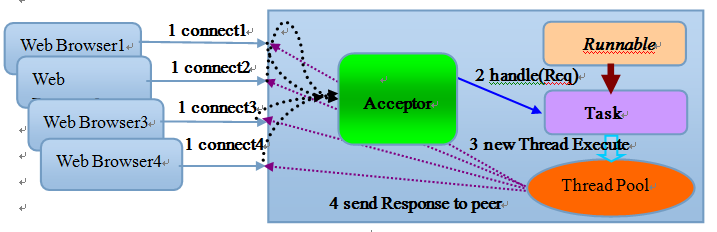
伪异步I/O的后端通过一个线程池来处理多个客户端的请求接入,形成客户端个数M:线程池最大线程数N的比例关系,其中M可以远远大于N,通过线程池可以灵活的调配线程资源,设置线程的最大值,防止由于海量并发接入导致线程耗尽。如图,采用线程池 和任务队列实现伪异步I/O。

当有新的客户端接入的时候,将客户端的Socket封装成一个Task提交到线程池中进行处理,JDK的线程池维护一个消息队列和N个活跃线程对消息队列中的任务进行处理。由于线程池可以设置消息队列的大小和最大线程数,因此,它的资源占用是可控的,无论多少个客户端并发访问,都不会导致资源的耗尽和宕机。
Alt text

该模型的开发示例如下:
TimeServerHandlerExecutePool.java

1
2
3
4
5
6
7
8
9
10
11
12
13
14
15
16
17
18
19
20
21
22
23
24
25
26
27
28
29
30
31
32
33
34
35
36
37
38
import java.io.IOException;
import java.net.ServerSocket;
import java.net.Socket;
/**
* Created by Mr岳 on 16/10/30.
*/
public class TimeServer {
public static void main(String[] args) throws IOException {
int port = 8080;
ServerSocket server = null;
try {
server = new ServerSocket(port);
System.out.println("The time server is start in port : " + port);
Socket socket = null;
TimeServerHandlerExecutePool singleExecutor = new TimeServerHandlerExecutePool(50, 10000);// 创建IO任务线程池
while (true) {
socket = server.accept();
singleExecutor.execute(new TimeServerHandler(socket));
}
} finally {
// 关闭 server
}
}
}
import java.util.concurrent.ArrayBlockingQueue;
import java.util.concurrent.ExecutorService;
import java.util.concurrent.ThreadPoolExecutor;
import java.util.concurrent.TimeUnit;
public class TimeServerHandlerExecutePool {
private ExecutorService executor;
public TimeServerHandlerExecutePool(int maxPoolSize, int queueSize) {
executor = new ThreadPoolExecutor(Runtime.getRuntime().availableProcessors(), maxPoolSize, 120L, TimeUnit.SECONDS,new ArrayBlockingQueue(queueSize));
}
public void execute(java.lang.Runnable task) {
executor.execute(task);
}
}

伪异步I/O通信框架实际上仅仅只是对之前I/O线程模型的一个简单优化,虽然采用了线程池实现,但是由于它底层的通信依然采用同步阻塞模型,因此无法从根本上解决问题。

试想如果出现一下几种情况时会发生什么

  • 服务端处理慢,响应时间过长
  • 队列积满
  • 客户端连接超时

这其实是一个连锁反应,由于服务端处理缓慢,导致客户端响应变慢,此时将会出现大量的队列堆积,积满之后,入队列发生阻塞,此时就会出现大量的客户端连接超时,此时调用者会认为系统已经崩溃,无法接收新的请求消息。。


NIO

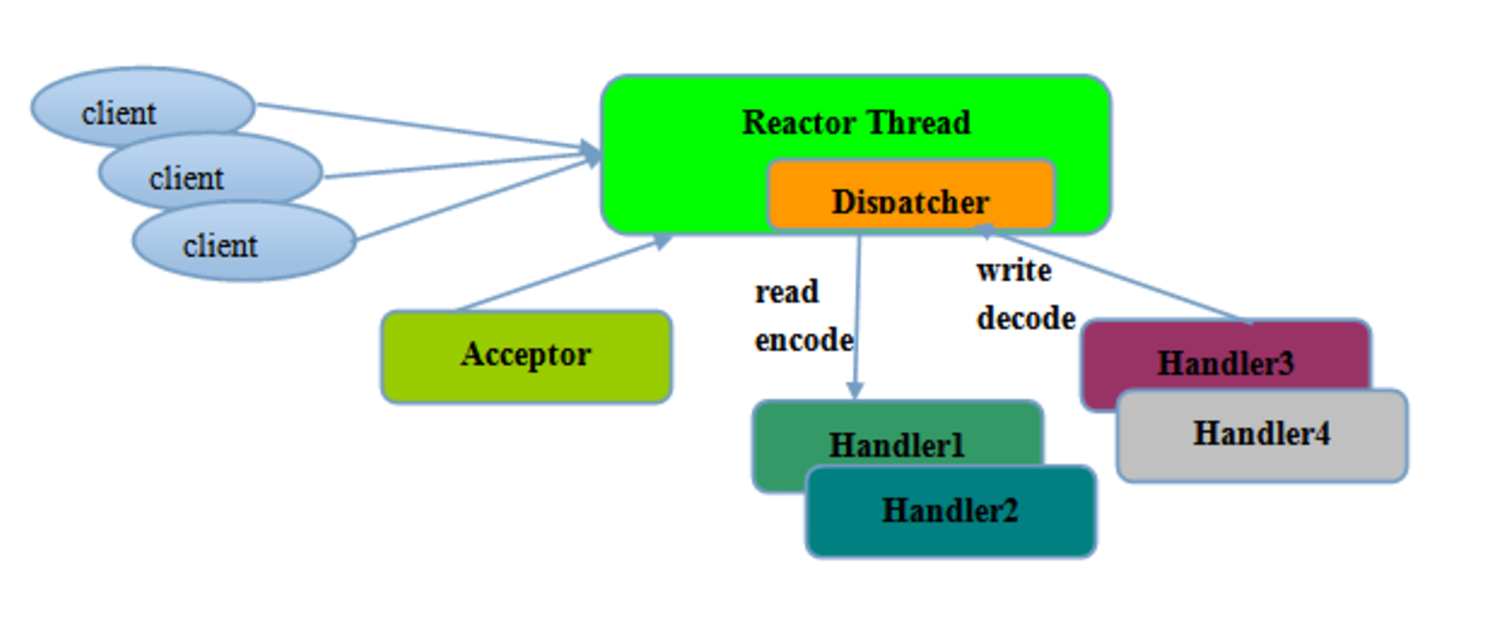
JDK1.4提供了对非阻塞IONIO)的支持,它是基于I/O多路复用模型实现的非阻塞I/O,底层是基于select/poll模型实现的,JDK1.5_update10版本对该模型进行优化,使用epoll替代了传统的select/poll,上层API并没有发生变化,极大的提升了NIO通信的性能。
其中引入了新的I/O类库和一些新的概念:

  • 缓冲区BufferBuffer是一个对象,简单来说,它包含要写入或者要读出的数据。在NIO类库中,任何对NIO数据的读写,都是通过缓冲区进行操作的。
  • 通道Channel :通过Channel我们可以读取和写入数据到缓冲区。也可以这么说:通道用于在缓冲区和位于通道另一侧的实体(文件、套接字)之间有效的传输数据。

还有一点需要知道的是 : Channel和Stream的不同之处就在于Channel是全双工的,即双向的,可以用于读和写。

  • 多路复用器Selector :就是上面(LinuxI/O多路复用模型)提到的多路复用器。Selector会不断的轮询注册在其上的Channel,如果某个Channel上面有新的TCP连接接入、读或者写事件, 这个Channel就处于就绪状态,会被Selector 轮询出来,然后通过SelectorKey可以获得就绪的Channel,进行后续的I/O操作。
Alt text

该模型的开发示例如下:

NioTimeServer.java

1
2
3
4
5
6
7
8
9
10
11
12
13
14
15
16
17
18
19
20
21
22
23
24
25
26
27
28
29
30
31
32
33
34
35
36
37
38
39
40
41
42
43
44
45
46
47
48
49
50
51
52
53
54
55
56
57
58
59
60
61
62
63
64
65
66
67
68
69
70
71
72
73
74
75
76
77
78
79
80
81
82
83
84
85
86
87
88
89
90
91
92
93
94
95
96
97
98
99
100
101
102
103
104
105
106
107
108
109
110
111
112
113
114
115
116
117
118
119
120
121
122
123
124
125
126
127
128
129
130
131
package nio;
import java.io.IOException;
/**
* Created by Mr岳 on 16/10/30.
*/
public class NioTimeServer {
public static void main(String[] args) throws IOException {
int port = 8080;
MultiplexerTimeServer timeServer = new MultiplexerTimeServer(port);
new Thread(timeServer, "NIO-MultiplexerTimeServer-001").start();
}
}
```
`MultiplexerTimeServer.java`
```java
package nio;
import java.io.IOException;
import java.net.InetSocketAddress;
import java.nio.ByteBuffer;
import java.nio.channels.SelectionKey;
import java.nio.channels.Selector;
import java.nio.channels.ServerSocketChannel;
import java.nio.channels.SocketChannel;
import java.util.Iterator;
import java.util.Set;
/**
* Created by Mr岳 on 16/10/30.
* 多路复用类,负载轮询多路复用器Selector,可以处理多个客户端的并发接入
*/
public class MultiplexerTimeServer implements Runnable {
private Selector selector;
private ServerSocketChannel servChannel;
private volatile boolean stop;
//初始化多路复用器、绑定监听端口
public MultiplexerTimeServer(int port) {
try {
// 创建多路复用器
selector = Selector.open();
//打开ServerSocketChannel,监听客户端连接
servChannel = ServerSocketChannel.open();
//设置连接为非阻塞模式
servChannel.configureBlocking(false);
servChannel.socket().bind(new InetSocketAddress(port), 1024);
//将ServerSocketChannel注册到多路复用器Selector上,监听OP_ACCEPT事件
servChannel.register(selector, SelectionKey.OP_ACCEPT);
System.out.println("The time server is start in port : " + port);
} catch (IOException e) {
e.printStackTrace();
System.exit(1);
}
}
public void run() {
while (!stop) {
try {
selector.select(1000);//这里依然是阻塞的
Set<SelectionKey> selectedKeys = selector.selectedKeys();
Iterator<SelectionKey> it = selectedKeys.iterator();
SelectionKey key = null;
//轮询准备就绪的SelectionKey,返回就绪状态的SocketChannel的SelectionKey集合
while (it.hasNext()) {
key = it.next();
it.remove();
try {
handleInput(key);
} catch (Exception e) {
if (key != null) {
key.cancel();
if (key.channel() != null)
key.channel().close();
}
}
}
} catch (Throwable t) {
t.printStackTrace();
}
}
// 多路复用器关闭后,所有注册在上面的Channel和Pipe等资源都会被自动去注册并关闭,所以不需要重复释放资源
if (selector != null)
try {
selector.close();
} catch (IOException e) {
e.printStackTrace();
}
}
private void handleInput(SelectionKey key) throws IOException {
if (key.isValid()) {
//处理新接入的请求消息
if (key.isAcceptable()) {
//接入新的请求,并建立连接
ServerSocketChannel ssc = (ServerSocketChannel) key.channel();
SocketChannel sc = ssc.accept();
sc.configureBlocking(false);
//将新的客户端ServerSocketChannel注册到Selector,并监听读操作
sc.register(selector, SelectionKey.OP_READ);
}
if (key.isReadable()) {
//异步读取消息到缓冲区ByteBuffer
SocketChannel sc = (SocketChannel) key.channel();
ByteBuffer readBuffer = ByteBuffer.allocate(1024);
int readBytes = sc.read(readBuffer);
if (readBytes > 0) {
readBuffer.flip();
byte[] bytes = new byte[readBuffer.remaining()];
readBuffer.get(bytes);
String body = new String(bytes, "UTF-8");
System.out.println(" The time server receive order:" + body);
String currentTime = "QUERY TIME ORDER".equalsIgnoreCase(body) ? new java.util.Date(System.currentTimeMillis()).toString() : "BAD ORDER";
doWrite(sc, currentTime);
} else if (readBytes < 0) {
// 对端链路关闭
key.cancel();
sc.close();
} else
; // 读到0字节,忽略
}
}
}
// 将消息发送给客户端
private void doWrite(SocketChannel channel, String response)throws IOException {
if (response != null && response.trim().length() > 0) {
byte[] bytes = response.getBytes();
ByteBuffer writeBuffer = ByteBuffer.allocate(bytes.length);
writeBuffer.put(bytes);
writeBuffer.flip();
channel.write(writeBuffer);
}
}
public void stop() {
this.stop = true;
}
}

NioTimeClient.java

1
2
3
4
5
6
7
8
9
10
package nio;
/**
* Created by Mr岳 on 16/10/30.
*/
public class NioTimeClient {
public static void main(String[] args) {
int port = 8080;
new Thread(new NioTimeClientHandle("127.0.0.1", port), "NioTimeClient-001").start();
}
}

NioTimeClientHandle.java

1
2
3
4
5
6
7
8
9
10
11
12
13
14
15
16
17
18
19
20
21
22
23
24
25
26
27
28
29
30
31
32
33
34
35
36
37
38
39
40
41
42
43
44
45
46
47
48
49
50
51
52
53
54
55
56
57
58
59
60
61
62
63
64
65
66
67
68
69
70
71
72
73
74
75
76
77
78
79
80
81
82
83
84
85
86
87
88
89
90
91
92
93
94
95
96
97
98
99
100
101
102
103
104
105
106
107
108
109
110
111
112
113
114
115
116
117
package nio;
import java.io.IOException;
import java.net.InetSocketAddress;
import java.nio.ByteBuffer;
import java.nio.channels.SelectionKey;
import java.nio.channels.Selector;
import java.nio.channels.SocketChannel;
import java.util.Iterator;
import java.util.Set;
/**
* Created by Mr岳 on 16/10/30.
*/
public class NioTimeClientHandle implements Runnable {
private String host;
private int port;
private Selector selector;
private SocketChannel socketChannel;
private volatile boolean stop;
public NioTimeClientHandle(String host, int port) {
this.host = host == null ? "127.0.0.1" : host;
this.port = port;
try {
selector = Selector.open();
socketChannel = SocketChannel.open();
socketChannel.configureBlocking(false);
} catch (IOException e) {
e.printStackTrace();
System.exit(1);
}
}
public void run() {
try {
doConnect();
} catch (IOException e) {
e.printStackTrace();
System.exit(1);
}
while (!stop) {
try {
selector.select(1000);//这里依然是阻塞的
Set<SelectionKey> selectedKeys = selector.selectedKeys();
Iterator<SelectionKey> it = selectedKeys.iterator();
SelectionKey key = null;
while (it.hasNext()) {
key = it.next();
it.remove();
try {
handleInput(key);
} catch (Exception e) {
if (key != null) {
key.cancel();
if (key.channel() != null)
key.channel().close();
}
}
}
} catch (Exception e) {
e.printStackTrace();
System.exit(1);
}
}
// 多路复用器关闭后,所有注册在上面的Channel和Pipe等资源都会被自动去注册并关闭,所以不需要重复释放资源
if (selector != null)
try {
selector.close();
} catch (IOException e) {
e.printStackTrace();
}
}
private void handleInput(SelectionKey key) throws IOException {
if (key.isValid()) {
// 判断是否连接成功
SocketChannel sc = (SocketChannel) key.channel();
if (key.isConnectable()) {
if (sc.finishConnect()) {
sc.register(selector, SelectionKey.OP_READ);
doWrite(sc);
} else
System.exit(1);// 连接失败,进程退出
}
if (key.isReadable()) {
ByteBuffer readBuffer = ByteBuffer.allocate(1024);
int readBytes = sc.read(readBuffer);
if (readBytes > 0) {
readBuffer.flip();
byte[] bytes = new byte[readBuffer.remaining()];
readBuffer.get(bytes);
String body = new String(bytes, "UTF-8");
System.out.println("Now is : " + body);
this.stop = true;
} else if (readBytes < 0) {
// 对端链路关闭
key.cancel();
sc.close();
} else
; // 读到0字节,忽略
}
}
}
private void doConnect() throws IOException {
// 如果直接连接成功,则注册到多路复用器上,发送请求消息,读应答
if (socketChannel.connect(new InetSocketAddress(host, port))) {
socketChannel.register(selector, SelectionKey.OP_READ);
doWrite(socketChannel);
} else
socketChannel.register(selector, SelectionKey.OP_CONNECT);
}
private void doWrite(SocketChannel sc) throws IOException {
byte[] req = "QUERY TIME ORDER".getBytes();
ByteBuffer writeBuffer = ByteBuffer.allocate(req.length);
writeBuffer.put(req);
writeBuffer.flip();
sc.write(writeBuffer);
if (!writeBuffer.hasRemaining())
System.out.println("Send order 2 server succeed.");
}
}

我们不难发现BIONIO有如下不同之处:

  • 编码复杂度很显然高与BIO
  • 传统IO(BIO)在 进行读写时,需要阻塞直到可读或写。而NIO客户端发起的连接操作是异步的,可以通过在多路复用器上注册 OP_CONNECT等待后续结果,不需要像BIO那样被同步阻塞。
  • NIO都是通过缓冲区Buffer进行读写操作的
  • SocketChannel 的读写是全双工且异步的,如果没有可读或可写的数据它不会同步等待,直接返回,这样IO通信线程就可以处理其它的链路,不需要同步等待这个链路可用
  • 从阻塞I/O 和 多路复用I/O的模型模型图中可以看出,他们并没有太大的区别,只是多一步 在Selector上注册连接/读/写事件(servChannel.register),以及调用select函数的额外操作,效率更差。
由于JDK的`Selector`在`Linux`等主流操作系统上通过`epoll`实现,它没有连接句柄数的限制(只受限于操作系统的最大句柄数或者对单个进程的句柄限制),这意味着一个`Selector`线程可以同时处理成千上万个客户端连接,而且性能不会随着客户端的增加而线性下降,因此,它非常适合做高性能、高负载的网络服务器。而在阻塞`I/O`模型中,必须通过多线程的方式才能达到这个目的。

 在`JDK1.4`时,`Selector`是基于`I/O`多路复用模型的 `select/poll`实现的,在`JDK1.5`的时候,底层使用epoll模型对其进行性能优化,但是本质上还是非阻塞`I/O`。

###AIO

JDK1.7 又对NIO进行了升级,是很正的异步非阻塞I/O,它提供了 与Unix网络编程事件驱动IO对应的AIO,它不需要多路复用器Selector对注册的通过Channel进行轮询操作即可实现异步读写,从而简化了NIO编程。
NIO是在有数据准备就绪后,就返回通知用户进程进行可读/写,然后用户进程再调用recvfrom系统调用,将数据由内核拷贝到用户进程。而 AIO是在 IO操作已经完成后,再给用户进程发出通知。因此AIO是非阻塞的。
该模型的开发示例如下:

AioTimeServer.java

1
2
3
4
5
6
7
8
9
10
11
12
package aio;
import java.io.IOException;
/**
* Created by Mr岳 on 16/10/30.
*/
public class AioTimeServer {
public static void main(String[] args) throws IOException {
int port = 8080;
AioTimeServerHandler timeServer = new AioTimeServerHandler(port);
new Thread(timeServer, "AIO-AioTimeServerHandler-001").start();
}
}

AioTimeServerHandler.java

1
2
3
4
5
6
7
8
9
10
11
12
13
14
15
16
17
18
19
20
21
22
23
24
25
26
27
28
29
30
31
32
33
34
35
36
37
38
package aio;
import java.io.IOException;
import java.net.InetSocketAddress;
import java.nio.channels.AsynchronousServerSocketChannel;
import java.util.concurrent.CountDownLatch;
/**
* Created by Mr岳 on 16/10/30.
* 异步IO TimeServerHandler
*/
public class AioTimeServerHandler implements Runnable {
private int port;
CountDownLatch latch;
AsynchronousServerSocketChannel asynchronousServerSocketChannel;
public AioTimeServerHandler(int port) {
this.port = port;
try {
// 创建异步的服务端SocketChannel
asynchronousServerSocketChannel = AsynchronousServerSocketChannel.open();
asynchronousServerSocketChannel.bind(new InetSocketAddress(port));
System.out.println("The time server is start in port : " + port);
} catch (IOException e) {
e.printStackTrace();
}
}
public void run() {
// CountDownLatch的作用是在完成一组正在执行的操作之前,允许当前的线程一直阻塞。
latch = new CountDownLatch(1);
doAccept();
try {
latch.await();
} catch (InterruptedException e) {
e.printStackTrace();
}
}
public void doAccept() {
asynchronousServerSocketChannel.accept(this,new AcceptCompletionHandler());//接收客户端的请求连接,并指定事件处理类==回调函数
}
}

AcceptCompletionHandler.java

1
2
3
4
5
6
7
8
9
10
11
12
13
14
15
16
17
18
19
20
package aio;
import java.nio.ByteBuffer;
import java.nio.channels.AsynchronousSocketChannel;
import java.nio.channels.CompletionHandler;
/**
* Created by Mr岳 on 16/10/30.
*/
public class AcceptCompletionHandler implements CompletionHandler<AsynchronousSocketChannel, AioTimeServerHandler> {
public void completed(AsynchronousSocketChannel result, AioTimeServerHandler attachment) {
//继续接收其他客户端的连接
attachment.asynchronousServerSocketChannel.accept(attachment, this);
ByteBuffer buffer = ByteBuffer.allocate(1024);
//接收并处理客户端的请求消息
result.read(buffer, buffer, new ReadCompletionHandler(result));
}
public void failed(Throwable exc, AioTimeServerHandler attachment) {
exc.printStackTrace();
attachment.latch.countDown();
}
}

ReadCompletionHandler.java

1
2
3
4
5
6
7
8
9
10
11
12
13
14
15
16
17
18
19
20
21
22
23
24
25
26
27
28
29
30
31
32
33
34
35
36
37
38
39
40
41
42
43
44
45
46
47
48
49
50
51
52
53
54
55
56
57
58
59
60
61
package aio;
import java.io.IOException;
import java.io.UnsupportedEncodingException;
import java.nio.ByteBuffer;
import java.nio.channels.AsynchronousSocketChannel;
import java.nio.channels.CompletionHandler;
/**
* Created by Mr岳 on 16/10/30.
* 事件处理类==回调函数,分别在异步操作成功和失败时被回调。
*/
public class ReadCompletionHandler implements CompletionHandler<Integer, ByteBuffer> {
private AsynchronousSocketChannel channel;
public ReadCompletionHandler(AsynchronousSocketChannel channel) {
if (this.channel == null)
this.channel = channel;
}
public void completed(Integer result, ByteBuffer attachment) {
attachment.flip();
byte[] body = new byte[attachment.remaining()];
attachment.get(body);
try {
String req = new String(body, "UTF-8");
System.out.println("The time server receive order : " + req);
String currentTime = "QUERY TIME ORDER".equalsIgnoreCase(req) ?
new java.util.Date(System.currentTimeMillis()).toString() : "BAD ORDER";
doWrite(currentTime);
} catch (UnsupportedEncodingException e) {
e.printStackTrace();
}
}
private void doWrite(String currentTime) {
if (currentTime != null && currentTime.trim().length() > 0) {
byte[] bytes = (currentTime).getBytes();
ByteBuffer writeBuffer = ByteBuffer.allocate(bytes.length);
writeBuffer.put(bytes);
writeBuffer.flip();
// 异步write方法
channel.write(writeBuffer, writeBuffer,new CompletionHandler<Integer, ByteBuffer>() {
public void completed(Integer result, ByteBuffer buffer) {
// 如果没有发送完成,继续发送
if (buffer.hasRemaining())
channel.write(buffer, buffer, this);
}
public void failed(Throwable exc, ByteBuffer attachment) {
try {
channel.close();
} catch (IOException e) {
e.printStackTrace();
}
}
});
}
}
public void failed(Throwable exc, ByteBuffer attachment) {
try {
this.channel.close();
} catch (IOException e) {
e.printStackTrace();
}
}
}

AioTimeClient.java

1
2
3
4
5
6
7
8
9
10
package aio;
/**
* Created by Mr岳 on 16/10/30.
*/
public class AioTimeClient {
public static void main(String[] args) {
int port = 8080;
new Thread(new AioTimeClientHandler("127.0.0.1", port),"AIO-AioTimeClientHandler-001").start();
}
}

AioTimeClientHandler.java

1
2
3
4
5
6
7
8
9
10
11
12
13
14
15
16
17
18
19
20
21
22
23
24
25
26
27
28
29
30
31
32
33
34
35
36
37
38
39
40
41
42
43
44
45
46
47
48
49
50
51
52
53
54
55
56
57
58
59
60
61
62
63
64
65
66
67
68
69
70
71
72
73
74
75
76
77
78
79
80
81
82
83
84
85
86
87
88
89
90
91
92
93
94
95
96
package aio;
import java.io.IOException;
import java.io.UnsupportedEncodingException;
import java.net.InetSocketAddress;
import java.nio.ByteBuffer;
import java.nio.channels.AsynchronousSocketChannel;
import java.nio.channels.CompletionHandler;
import java.util.concurrent.CountDownLatch;
/**
* Created by Mr岳 on 16/10/30.
*/
public class AioTimeClientHandler implements CompletionHandler<Void, AioTimeClientHandler>, Runnable {
private AsynchronousSocketChannel client;
private String host;
private int port;
private CountDownLatch latch;
public AioTimeClientHandler(String host, int port) {
this.host = host;
this.port = port;
try {
// 创建异步的客户端SocketChannel
client = AsynchronousSocketChannel.open();
} catch (IOException e) {
e.printStackTrace();
}
}
public void run() {
latch = new CountDownLatch(1);
client.connect(new InetSocketAddress(host, port), this, this);
try {
latch.await();
} catch (InterruptedException e1) {
e1.printStackTrace();
}
try {
client.close();
} catch (IOException e) {
e.printStackTrace();
}
}
public void completed(Void result, AioTimeClientHandler attachment) {
byte[] req = "QUERY TIME ORDER".getBytes();
ByteBuffer writeBuffer = ByteBuffer.allocate(req.length);
writeBuffer.put(req);
writeBuffer.flip();
client.write(writeBuffer, writeBuffer, new CompletionHandler<Integer, ByteBuffer>() {
public void completed(Integer result, ByteBuffer buffer) {
if (buffer.hasRemaining()) {
client.write(buffer, buffer, this);
} else {
ByteBuffer readBuffer = ByteBuffer.allocate(1024);
client.read(readBuffer, readBuffer, new CompletionHandler<Integer, ByteBuffer>() {
public void completed(Integer result, ByteBuffer buffer) {
buffer.flip();
byte[] bytes = new byte[buffer.remaining()];
buffer.get(bytes);
String body;
try {
body = new String(bytes, "UTF-8");
System.out.println("Now is : " + body);
latch.countDown();
} catch (UnsupportedEncodingException e) {
e.printStackTrace();
}
}
public void failed(Throwable exc, ByteBuffer attachment) {
try {
client.close();
latch.countDown();
} catch (IOException e) {
e.printStackTrace();
}
}
});
}
}
public void failed(Throwable exc, ByteBuffer attachment) {
try {
client.close();
latch.countDown();
} catch (IOException e) {
e.printStackTrace();
}
}
});
}
public void failed(Throwable exc, AioTimeClientHandler attachment) {
exc.printStackTrace();
try {
client.close();
latch.countDown();
} catch (IOException e) {
e.printStackTrace();
}
}
}


参考 :
1、Scalable IO in Java
2、《Unix网络编程》